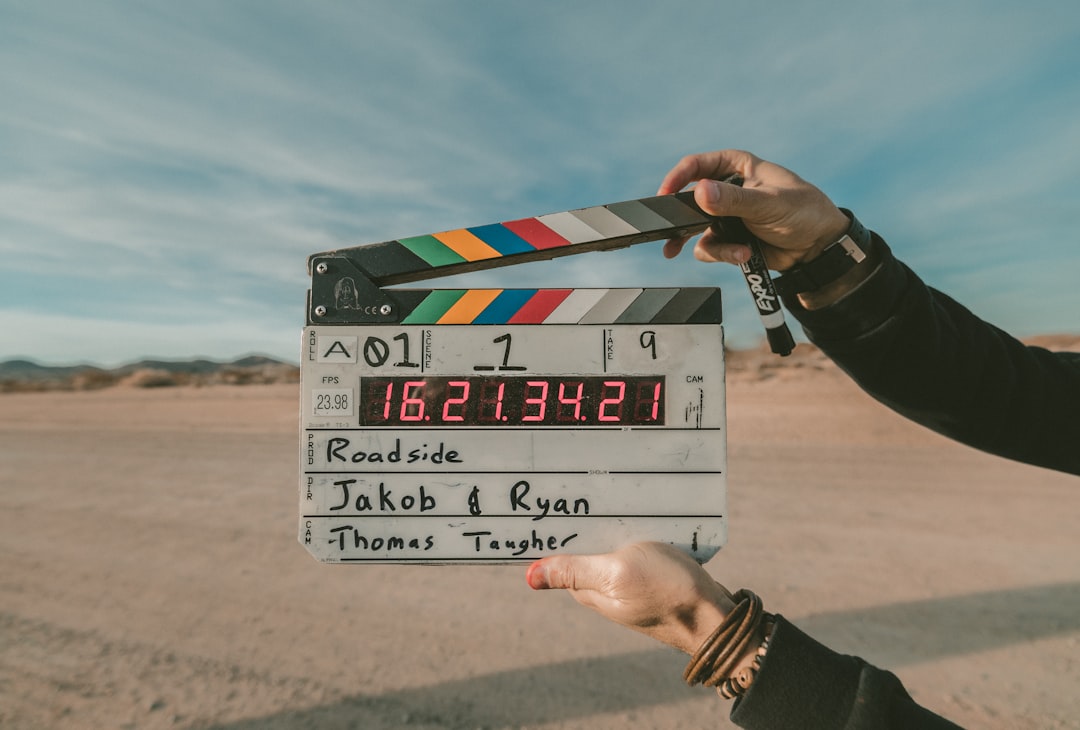
Cinematic Representations of Football: A Look at Impactful Movies to Watch
Curated must-watch football films — documentaries and dramas that capture sport, culture and cinematic artistry for fans.
Football — whether you call it soccer or gridiron — is more than a sport. It's a language of rituals, rivalries, and stories that cinema has been translating to screen for decades. This definitive guide curates documentaries, feature films, player portraits and fan-focused cinema that every supporter should watch. You'll get context on why each title matters, what to look for in a great football film, how to watch with friends, and how film techniques shape the way we love the game. If you're exploring how athletes move from pitch to screen, check out From Football Fields to Film: The Stories of Former Athletes Turning to Cinema for real-world transitions behind the camera.
Why Football Films Matter — Cultural Impact and Fan Identity
Football on film shapes identity
Movies and documentaries create a shared vocabulary for fans: chants become motifs, stadiums become characters, and specific matches take on mythic status. Films can consolidate a club's public image and cultural meaning. For clubs and brands, this cultural layering often drives apparel trends — see how athletic apparel crosses into everyday wear in our piece on sports apparel redefining everyday wear. That crossover explains why some films also double as merchandising moments.
They preserve stories that stats can't
Statistics capture outcomes, but cinema captures texture — the smell of rain on cut grass, the look of a manager in a dressing room, the tension of a penalty. Well-made documentaries and dramas preserve those details and can swing public opinion, elevate a forgotten season, or make a bench player into a folk hero. Filmmakers use close-ups, archival footage and interviews to create emotional evidence, and those choices change how future fans remember events.
Beyond the pitch: social and political layers
Football films frequently intersect with politics, class, race and identity. From community struggles to national pride, the best films situate the game within a wider human story. If you're interested in how performance art and public spaces intersect, read about the art of performance for parallels between theatre and documentary strategies.
Documentary Cinema: Must-See Nonfiction Films
Undefeated (2011) — grit on and off the field
Undefeated, the Oscar-winning documentary (Best Documentary Feature, 2012), is a model for American football storytelling. It follows a struggling high-school program and a volunteer coach who retools a team’s culture. The film's observational camera work and patient editing make each play feel consequential. It’s essential viewing for anyone who wants to see how leadership, discipline and community converge on the field. For readers curious about coaching and professional staff movement, the context in pieces like NFL coordinator openings: what's at stake illuminates how coaching shifts ripple through teams.
The Two Escobars (2000) — crime, football and national trauma
This soccer documentary ties the sport to Colombia’s narco-era, combining investigative journalism with sports history. It demonstrates how a national football moment can reflect political realities. Use it as a case study in how documentary film can responsibly handle complex social issues while still centering the game. Filmmakers use archival footage and interviews to ensure historical depth.
Pelé (2021) and Diego Maradona (2019) — player portraits
Biographical documentaries like Pelé and Diego Maradona demonstrate how intimate access and candid interviews reshape a player's public narrative. These films map careers and controversies with archival gems. If you're tracking the transition of athletic careers into broader media, revisit former athletes turning to cinema for complementary examples of athletes in front of and behind the camera.
Sunderland 'Til I Die (2018– ) — serialized fan-facing documentaries
Series documentaries expand the documentary form across seasons, letting you watch a club’s trajectory in near-real time. Sunderland 'Til I Die and Amazon's All or Nothing franchises showcase long-form storytelling that deepens fan empathy and commercial reach. For insights on viewer engagement across reality and serialized content, check how reality shows shape viewer engagement.
Fictional Narratives: Dramas That Inspire
Remember the Titans (2000) — sport as social change
Remember the Titans fuses on-field strategy with off-field reconciliation, offering an emotional blueprint for how teams can model societal shifts. Its storytelling demonstrates the classic sports film beats: conflict, training montages, a major showdown, and catharsis. Use it as a template for analyzing pacing and audience manipulation in sports narratives.
Friday Night Lights (2004) — small-town intensity, cinematic realism
Friday Night Lights emphasizes authenticity: real coaches, real athletes, and a documentary-inflected style. Its adaptation into a long-running TV series shows how a story can expand into different media and deliver recurring fan rituals. To read more about quality storytelling across formats, see creating compelling narratives.
Bend It Like Beckham (2002) and Goal! (2005) — global football narratives
These films highlight football's global reach and the cultural tensions surrounding aspiration. Bend It Like Beckham stands out for its intersectional focus on gender and family, while Goal! captures the mythic rise of a promising young player. Both are entry points for fans who want drama fused with technical football sequences.
Player Portraits & Athlete Filmmaking
Zidane: A 21st Century Portrait (2006) — experimental cinematography
Zidane's film is a single-match portrait shot with multiple cameras that reduces a superstar to gestures and rhythm. It's indispensable for students of cinematic technique because it replaces conventional narrative with immersive observation. Filmmakers and fans can learn how editing and camera angles create intimacy.
The Class of '92 (2013) — nostalgia, careers and club culture
By focusing on a cohort rather than a single star, The Class of '92 maps career arcs, friendship, and success in one club ecosystem. It's a strong example of how archival footage and contemporary interviews construct a collective memory. If you want a deep dive into the economics and local impacts of performance art, read about the art of performance for comparable analysis in theatre.
When athletes make films — genuine crossover stories
Many players move into film as producers, consultants or stars. These projects often trade on authenticity: locker-room detail, tactical nuance, and insider vernacular. To see how athlete stories become cinematic narratives and the business lessons therein, explore lessons from transitions to Hollywood and how storytelling translates across sectors.
Fan Culture on Screen: Club Identity, Chants and Apparel
How film amplifies supporter culture
Films and series document chants, rituals and matchday economies, turning ephemeral fan moments into lasting artifacts. When a club appears in a popular film or series, it can boost global fandom and demand for merchandise. Our guide on the sports apparel trend shows how media exposure accelerates crossover into mainstream fashion (sports apparel redefining everyday wear).
Merchandising moments: the film effect
Iconic shots of shirts, scarfs, or matchday style can lead to rapid increases in kit sales and retro reissues. Brands plan capsule drops around anniversaries and film releases; that's a savvy bridge between fandom and commerce. If you're designing a viewing party, consider matchday apparel as a central pillar for atmosphere.
Women's representation and evolving narratives
Women's football is finally receiving richer cinematic treatment. Films and documentaries dedicated to female athletes challenge stereotypes and expand viewership. For cross-sector perspectives on women's representation in competitive spaces, see the piece on women in competitive gaming, which offers transferable lessons about visibility and support structures.
Cinematic Artistry: How Directors Make Football Feel Cinematic
Camera choices and match rhythm
Shot selection — long takes, POVs, and close-ups — determine whether a sequence feels stadium-sized or intimate. Films like Zidane use multi-camera rigs to create tactile rhythm, while dramas often use tight editing to compress game-time into emotional beats. Studying these choices gives fans deeper appreciation, and content creators practical templates for sports sequences.
Sound design and crowd choreography
Good football cinema uses sound to amplify atmosphere: the swell of a crowd, a manager yelling, a boot connecting with a ball. Sound editing can transform a low-stakes scene into a crucible of tension. For broader lessons on theatrical sound and audience response, consider how festival programs — highlighted in Sundance theatrical highlights — curate auditory experiences for impact.
Editing and documentary ethics
Editing shapes character arcs in both fiction and nonfiction. Documentaries must balance drama with accuracy; bad edits can mislead. Learn from filmmaking case studies and narrative theory in pieces like creating compelling narratives for technique and responsibility in storytelling.
Pro Tip: When assessing a football film, note three layers — tactical authenticity (does it capture the game's mechanics?), cultural context (does it situate the team in place and time?), and emotional truth (does it move the viewer?). Great films check all three.
How to Watch: Streaming, Deals and Fan-First Viewing Parties
Where to watch and how to score the best streams
Streaming rights are fragmented, so finding a film cheaply can take legwork. Use guides that show where to find the best streaming deals and seasonal discounts; a useful resource for this is where to find the best streaming deals. Tracking festival circuits — such as Sundance highlights — can also reveal limited releases or director Q&A streams.
Tech to level up your viewing experience
Your setup matters. Crisp picture and well-tuned audio bring matches to life; a few strategic purchases improve immersion. Consult our quick tech primer on gadgets that enhance at-home fandom in the best gadgets for your fan routine. Thoughtful lighting, a quality soundbar, and a communal screen make cinematic match-watching feel like a stadium moment.
Make it social: viewing parties and fan rituals
Design your screening with rituals — scarves, chants, and food — that align with the film's club or region. Tie-ins like limited-edition kits or retro shirts amplify the event. For creative product tie-in ideas, note crossovers between gaming fashion and fan customization in fashion in gaming, which translates neatly to football fan culture.
Interactive and Gaming Crossovers: Next-Gen Fan Experiences
How gaming extends cinematic narratives
Interactive experiences allow fans to inhabit cinematic football worlds. Story-driven soccer games and narrative-driven VR experiments create active empathy and replayability. For trends at the intersection of gaming and soccer fandom, read next-gen gaming and soccer interactive fan experiences.
Merch drops, NFTs and digital collectibles
Digital collectibles sometimes accompany film releases as engagement tools. While this space is nascent and speculative, media tie-ins can reward early supporters with exclusive content. If you're tracking how digital markets influence fan economies, background reading on digital collectibles and gaming economies offers helpful context.
Designing interactive screenings
Integrate polls, halftime trivia, and live chat to keep remote audiences engaged. Use companion apps or social channels to sync watch parties. These methods borrow from reality TV engagement models — a concept explored in how reality shows shape viewer engagement.
Five-Film Comparison: Documentaries and Dramas Compared
How to compare films methodically
When recommending films, compare across criteria: documentary vs. fiction, thematic focus, cinematic techniques, audience takeaways, and accessibility (where to watch). Below is a compact reference table to help you pick the right film for your mood and mission — whether you want tactical insight, inspiration, or pure fandom.
| Title | Year | Type | Key Theme | Recommended For |
|---|---|---|---|---|
| Undefeated | 2011 | Documentary | Redemption, coaching, community | Fans of gritty, human stories |
| The Two Escobars | 2000 | Documentary | Crime, national identity, football | Viewers seeking socio-political context |
| Zidane: A 21st Century Portrait | 2006 | Art-film/Documentary | Visual study of a player | Fans of cinematic experimentation |
| Remember the Titans | 2000 | Drama | Race, leadership, team-building | Audiences who want emotional uplift |
| Bend It Like Beckham | 2002 | Drama/Comedy | Gender, culture, aspiration | Those interested in culture and identity |
Reading the table to pick your night
Choose a documentary for deep context and a drama for emotional catharsis. Art films reward repeat viewings. Keep the table handy when curating a watchlist for a club night or classroom screening.
Expand the list
Use this table as a starting point. Add more films based on club, era, or theme — player portraits, tactical theatricals, or fan ethnographies. For production-based insights and crossover stories, review nonprofit to Hollywood lessons and how creative leadership translates across industries.
Bringing It Back to Fans: How Films Create New Supporters
Films as recruitment tools
Well-made films attract casual viewers into fandom by humanizing players and dramatizing rivalries. They can convert neutral viewers into supporters overnight: compelling narratives build empathy, and empathetic viewers often seek clubs and merchandise. For ideas on cultivating viewer engagement, reflect on examples from reality TV engagement strategies in how reality shows shape viewer engagement.
Leadership, narrative and legacy
Many films also underscore leadership lessons that resonate beyond sport. Stories about managers and captains deliver transferable lessons about resilience and communication. If you're studying leadership through storytelling in media, consider broader profiles such as leadership through storytelling.
From screen to shelf — commercial effects
Film exposure influences merchandise, retro kit demand and even local tourism. Clubs and brands time drops around anniversaries, film releases and streaming windows to capitalize on renewed attention. For a broader look at fan economies and digital extension, see crossover themes in fashion in gaming and consumer culture.
Conclusion: Build Your Canon and Watch Intentionally
Great football films are tools: for education, for inspiration, and for expanding fandom. Build a viewing canon that mixes documentaries with dramas, player portraits with serialized club stories. Use the comparison table above to pair films with audience moods — and remember that production context matters. If you care about how creative stories scale beyond sports, read about the business and storytelling shifts in transitions to Hollywood.
Want to deepen your watching practice? Host a screening that uses interactive elements (polls, halftime talks), pair films with themed merch and treats, and invite a local coach or analyst to riff on tactics after the credits. For inspiration on building interactive fan experiences, explore next-gen gaming and soccer interactive fan experiences, and for practical viewing setup tips see best gadgets for your fan routine.
FAQ — Frequently Asked Questions
1) Are there must-watch documentaries for beginners?
Yes. Start with accessible, narrative-driven docs like Pelé, The Two Escobars and Undefeated. They each provide clear story arcs and human-centered entry points that don't require deep tactical knowledge.
2) Should I watch dramas or documentaries to understand football culture?
Both. Documentaries give historical and cultural context; dramas condense emotional truths. Alternate between them to get technique and texture.
3) How can I tell if a film’s depiction of tactics is accurate?
Look for involvement by authentic coaches or players in production credits, on-screen training sequences that show realistic movement, and film criticism referencing tactical accuracy. For broader coaching context see NFL coordinator openings which outlines the complexity of coaching roles.
4) Can films really change fan behavior or merchandise sales?
Absolutely. High-profile films and series can spike kit sales, grow international fandom, and influence brand collaborations. The crossover between media exposure and apparel trends is documented in pieces like sports apparel redefining everyday wear.
5) What are some contemporary directions for football cinema?
Look for more serialized documentaries, narrative features led by diverse voices, and interactive crossovers with gaming. Industry shifts mirror other media spaces; look at trends in reality and festival circuits for hints — for example, Sundance theatrical highlights often preview new directions.
Final Pro Reads & Next Steps
If you want to explore further: read up on narrative technique in creating compelling narratives, investigate leadership dynamics in leadership through storytelling, and study how entertainment exposure affects viewer engagement in how reality shows shape viewer engagement. And if you're assembling a screening or documentary pitch, lessons from the business transition of creatives are helpful: from nonprofit to Hollywood.
Finally, if you care about tactics and how modern offenses evolve on screen, reading sports tactical analyses like The Rise of Bully Ball can give you a sharper eye for what films are capturing and what they might be simplifying. And if you want to pair films with discussions about future talent, check scouting and draft previews such as future stars to follow for cross-sport inspiration.
Related Topics
Alex Mercer
Senior Editor & Football Culture Strategist
Senior editor and content strategist. Writing about technology, design, and the future of digital media. Follow along for deep dives into the industry's moving parts.
Up Next
More stories handpicked for you

Ultimate Game Night Setlist: Songs Every Football Fan Should Know

Behind the Hits: The Footsteps of Music and Football Collaborations

Game Day Gear: The Outerwear That Defines Football Identity

Palhinha’s Journey: From Loan Star to Premier League Hero

What Free Agency Means for Prediction Software Users: Reading Roster Moves Like a Pro
From Our Network
Trending stories across our publication group

Rolling Through Change: The Future of Bike Shipping and Local Supply Chains

Charging Ahead: The Future of E-Bike Charging Stations

Are Premium Fitness Smartwatches Worth It? Comparing High-End and Budget Options

Finding Value in Gear: How to Budget for Your Next Outdoor Adventure

Bringing K-Beauty Vibes to Surf: Curating the Perfect Post-Surf Skincare Routine
